 GRUPPO WAVESPECTRUM






NOTIZIE
Alta qualità, prestazioni eccellenti, servizio eccellente
Cerca prodottoCerca post
Alta qualità, prestazioni eccellenti, servizio eccellente
Introduction: The Engine Room of Dentistry
In our previous discussion (Il tuo studio dentistico sta perdendo l'opportunità di sfruttare la precisione dei diodi?), we explored the clinical outcomes of laser surgery. But for medical device engineers, biomedical technicians, and OEM manufacturers, the clinical result is merely the final output of a complex chain of electronics.
The heart of any medical laser system is the diodo laser modulo. However, a module is only as good as the current controlling it. The symbiotic relationship between the diodo laser e driver is the single most critical factor in device safety, longevity, and FDA/CE compliance. This article deconstructs the engineering required to build a reliable laser dentale a diodi.
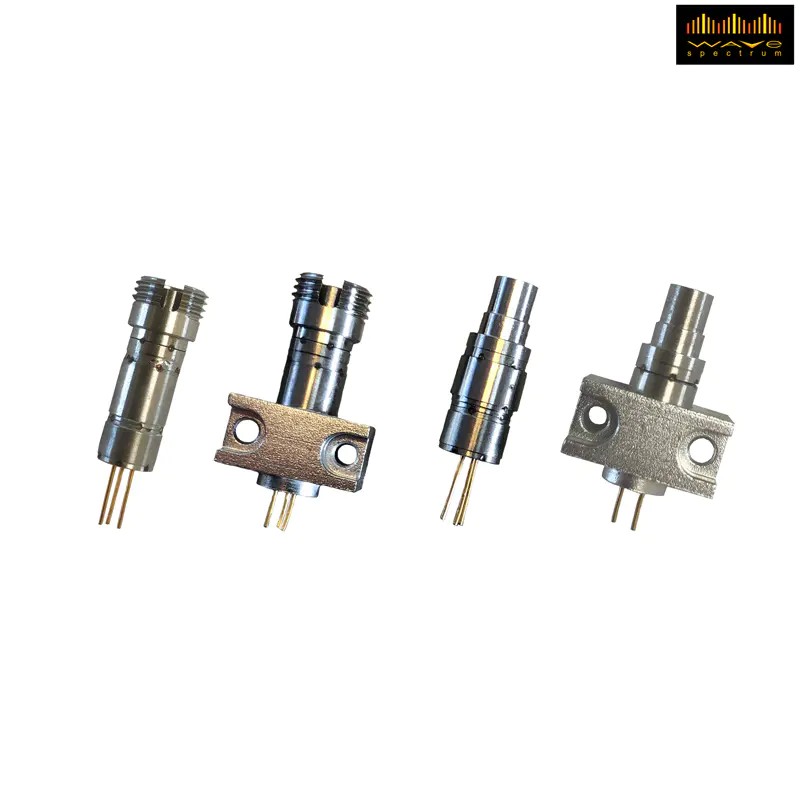
The Anatomy of a High Power Laser Diode Module
A diodo laser ad alta potenza is a semiconductor device that converts electrical energy into coherent light. In dental applications, we typically operate in the Near-Infrared (NIR) spectrum (808nm to 1064nm).
Unlike telecommunication lasers, a dental modulo diodo laser requires massive photon density to ablate tissue. This introduces the “Thermal bottleneck.”
The Unsung Hero: The Laser Diode and Driver
You cannot simply plug a laser diode into a wall outlet. It requires a constant current source, not constant voltage. This is the job of the diodo laser e driver.
Key Technical Requirements for Medical Drivers:
Technical Case Study: Failure Analysis of a Generic Unit (This section mimics an engineering failure report)
Incident Report: #ENG-2024-88 Device Type: 10W Portable Laser dentale a diodi (Imported Generic Brand). Problem: Device failing to initiate fiber tips; User reports “Fluctuating power” and “Device gets hot to touch.”
Forensic Disassembly & Analysis:
- Component A: Il modulo diodo laser was inspected. The collimating lens showed signs of fogging due to outgassing from cheap thermal paste.
- Component B: Il diodo laser e driver circuit was analyzed via oscilloscope.
- Findings:
- Ripple Current: The driver exhibited a 15% ripple current (Standard should be <1%).
- Gestione termica: The diode was mounted on a passive aluminum block with no TEC (Thermoelectric Cooler).
The Failure Chain:
- As the dentist used the laser for a long procedure (full mouth decontamination), the passive cooling failed.
- The diode junction temperature rose.
- The driver, lacking active feedback loops, continued to push current.
- The combination of heat and ripple current caused “Facial Catastrophic Optical Damage” (COD) to the diode emitter.
- Result: The optical output dropped from 10W to 2W, rendering the device useless.
Correction Strategy: Replacing the unit with a module featuring an integrated NTC thermistor and a PID-controlled driver solved the issue, stabilizing output to ±0.1W.
Advanced Applications: Fiber Coupling Efficiency
For a laser dentale a diodi to be effective, the light from the emitter must enter a fiber optic core that is often only 200 to 400 microns wide.
Future Trends: Blue Light and Multi-Wavelengths
The future of the modulo diodo laser industry is hybrid packaging. We are now seeing modules that combine 450nm (Blue – for superior cutting efficiency without heat) and 980nm (Infrared – for deep disinfection) into a single output. This requires a sophisticated multi-channel diodo laser e driver capable of mixing wavelengths in real-time.
Summary for Buyers and Engineers
When designing or purchasing a laser dentale a diodi, specifications on a datasheet are not enough. You must verify the quality of the diodo laser e driver integration. Stability, thermal management, and protection circuits are what differentiate a medical device that lasts 5 years from one that fails in 6 months. A robust diodo laser ad alta potenza system is an investment in reliability.
Introduzione: Il passaggio dall'acciaio alla leggerezza Nel panorama moderno della chirurgia orale, le aspettative dei pazienti sono cambiate. La tolleranza al dolore post-operatorio e ai tempi di guarigione prolungati è ai minimi storici. Per le cliniche dentistiche all'avanguardia, il...
Visualizza dettagliNel competitivo mondo della medicina estetica, in particolare nella depilazione e nei trattamenti vascolari, i tempi di inattività delle apparecchiature sono il killer silenzioso della redditività. Per anni, lo standard del settore è stato il pesante manipolo verticale raffreddato ad acqua. Il...
Visualizza dettagliNei laboratori scientifici, nelle aziende produttrici di dispositivi medici e nei sistemi di misurazione industriali, il modulo a diodo laser rimane uno dei sottosistemi ottici più importanti. La domanda si è spostata dai semplici strumenti di illuminazione a dispositivi altamente regolamentati, termicamente op...
Visualizza dettagliLa rapida espansione della fotonica industriale ha stimolato la domanda di soluzioni laser stabili, ad alta potenza e miniaturizzate. Tra queste, il modulo a diodo laser è diventato un componente fondamentale nei settori del rilevamento, dell'allineamento, della spettroscopia, della comunicazione...
Visualizza dettagli